
Politicians love to announce massive targets—like building 1.5 million homes across the UK—as if approving a site automatically produces a street of affordable houses. But an insightful video (watch below) analysis covering recent Home Builders Federation (HBF) data exposes the harsh reality: Britain’s housebuilding crisis isn’t caused by a lack of land, but by a massive “Viability Crunch.”
📉 1. The Broken Economics of Housebuilding
Over the last five years, building a single house in England has become approximately £76,000 more expensive:
- Inflation & Materials: Labour and material cost increases have added roughly £37,000 per home.
- Regulatory Compliance: Future Homes Standards, building regulations, and Biodiversity Net Gain (BNG) requirements add over £23,000 per unit.
- Levies & Taxes: Section 106, Community Infrastructure Levies (CIL), and landfill taxes add thousands more.
As the video creator points out, adding £76,000 to the cost of producing a house does not make local buyers £76,000 richer. Mortgage limits and wages set the price ceiling. When costs outpace sale prices, profit margins vanish—resulting in nearly 4,000 construction insolvencies in a single year and leaving nearly 50% of examined build areas financially unviable.
🛑 2. How This Hits Burntwood: The “Viability” Loophole
This economic breakdown directly impacts how volume housebuilders operate in our community:
- The Infrastructure Bait-and-Switch: When developers hit a viability crunch, they don’t lower executive bonuses—they use legal “viability assessments” mid-build to claw back promised Section 106 funds for our roads, schools, and GP surgeries.
- Greenfield Land Grabs: To protect squeezed margins, volume developers target raw green fields (where ground preparation is cheap) rather than investing in brownfield or complex sites.
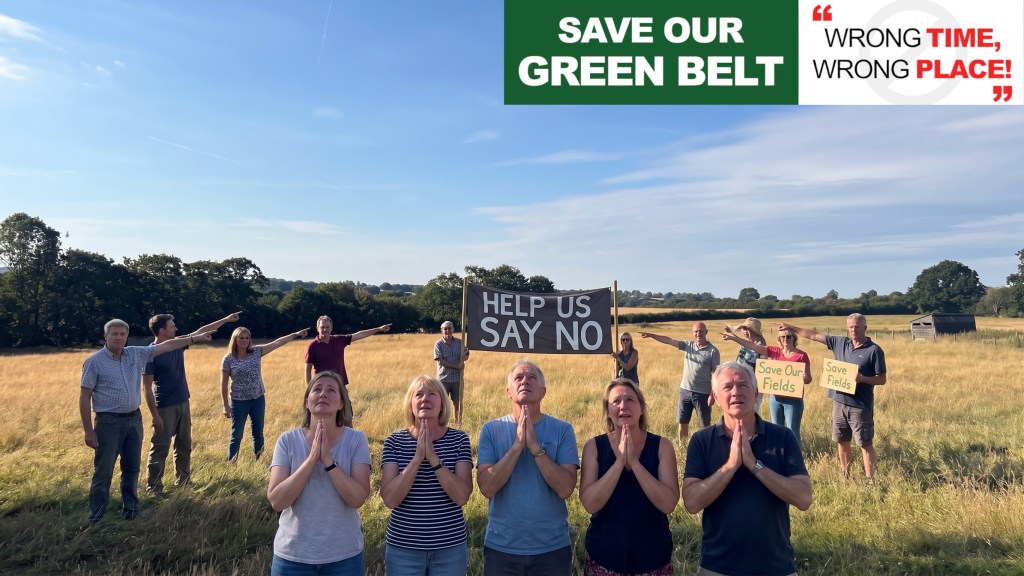
- Paper Targets vs. Real Homes: Simply granting speculative planning permission on green buffers like Coulter Lane/ Rake Hill/ Farewell Lane does not guarantee homes get built; it simply allows corporations to land-bank assets while waiting for market prices to rise.
🏛️ The Bottom Line
You cannot live in a press release, and you cannot live in a housing target.
Real community development requires a plan-led approach that mandates infrastructure before spades hit the dirt, rather than speculative land grabs that leave existing towns to pick up the pieces.
The Viability Crunch: Can Housing Schemes Still Stack Up? This video provides an expert breakdown of how escalating development costs and viability pressures are testing housebuilding economics across the UK real estate sector.



Leave a Reply