
Recent data from the Mineral Products Association (MPA) and other industry bodies has highlighted a significant downturn in the UK’s construction sector. This is not just about a single material but a broader trend affecting various aspects of the industry.
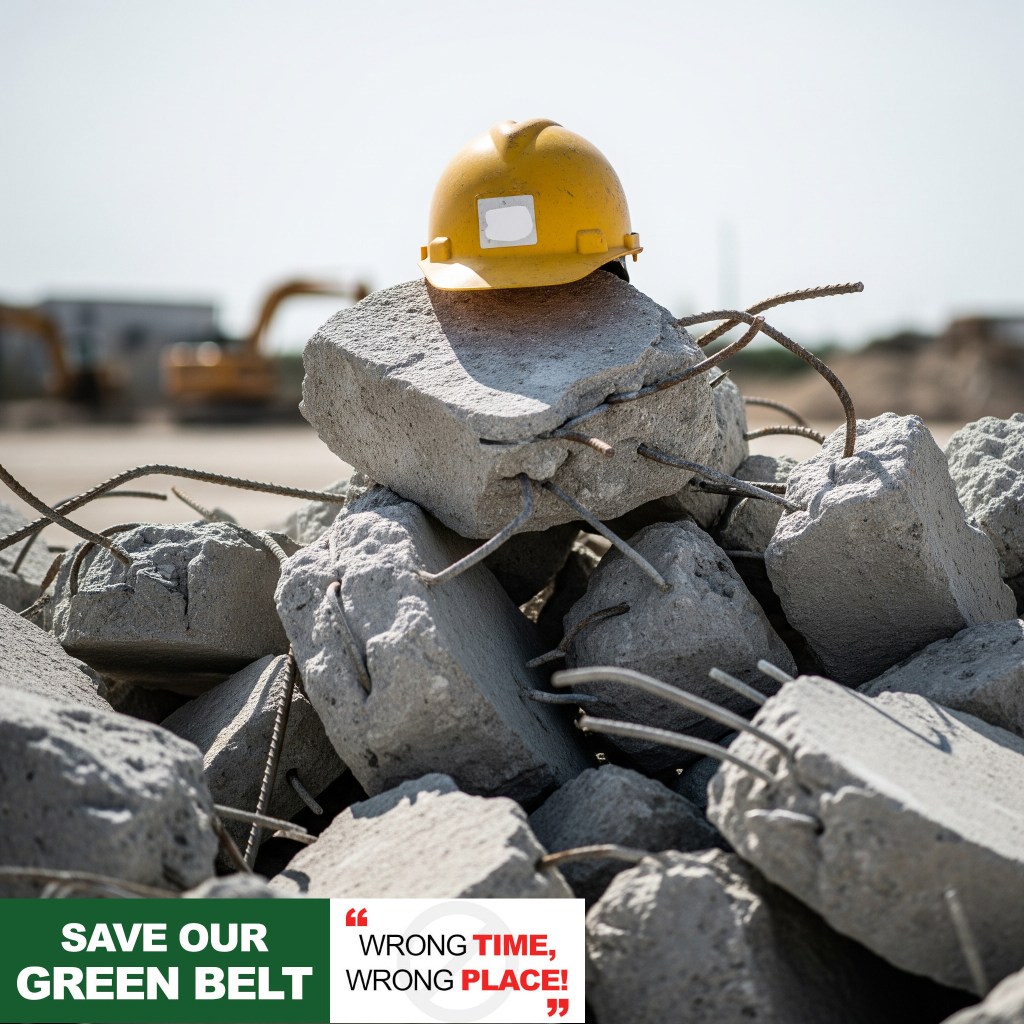
The Concrete Conundrum
Reports indicate that ready-mixed concrete sales have fallen to levels not seen in decades. This is a crucial indicator, as concrete is a fundamental material for most building projects, from housing developments to infrastructure. A decrease in sales of this magnitude suggests a significant slowdown in new construction starts.
Ian Hodgkinson, BBC’s DIYSOS Project Manager says:
NO CONCRETE FOUNDATIONS TO BUILD 1.5M HOMES
Britain’s construction crisis deepens as concrete sales plunge to 62-year low.
Britain’s grand promise to build 1.5 million homes is already crumbling because the very foundations aren’t there.
New industry figures reveal annual ready-mix concrete sales have slumped to their lowest level since 1963. That’s before colour TV, the Beatles’ first album, and man even set foot on the Moon.
Rob Wood, Breedon boss says:
Concrete is the backbone of construction. If it’s not moving, neither is Britain.
Broader Industry Impacts
It’s not just concrete. Sales of other key materials, such as aggregates (sand and gravel), asphalt, and mortar, have also seen a decline. This broad-based drop suggests that the issues are systemic and not limited to one area of construction.
Why Is This Happening?
Industry experts point to a variety of factors contributing to the slump:
- Economic Uncertainty: High interest rates and inflation have made it more expensive for both developers and homebuyers to secure financing, leading to a pause or cancellation of new projects.
- Planning and Regulation: Complex and slow-moving planning processes are a major bottleneck. Delays in getting approval for new developments can add years to a project’s timeline and increase costs.
- Material and Labor Costs: The cost of building materials and skilled labor remains high, which further squeezes profit margins and makes new builds less financially viable.
What’s Next?
The UK government has set ambitious housing targets, aiming to build 300,000 new homes each year. However, the current state of the construction industry shows a clear gap between these goals and the reality on the ground. Addressing the challenges will require a multi-faceted approach, including policy changes to streamline the planning process and economic measures to stimulate investment in the sector.
The health of the construction industry is a bellwether for the wider economy. A slowdown in building projects impacts job creation, economic growth, and, ultimately, the availability of homes for the public. As the industry grapples with these headwinds, the focus will be on finding solutions that can help get Britain building again.
Ian Hodgkinson, BBC’s DIYSOS Project Manager says:
“This should be a wake-up call to ministers.” Industry leaders urge urgent action.
With asphalt, aggregates and mortar sales also nosediving, the message is clear — the UK isn’t just missing its housing goals, it’s barely even breaking ground.





 Burntwood Action Group
Leave a comment