
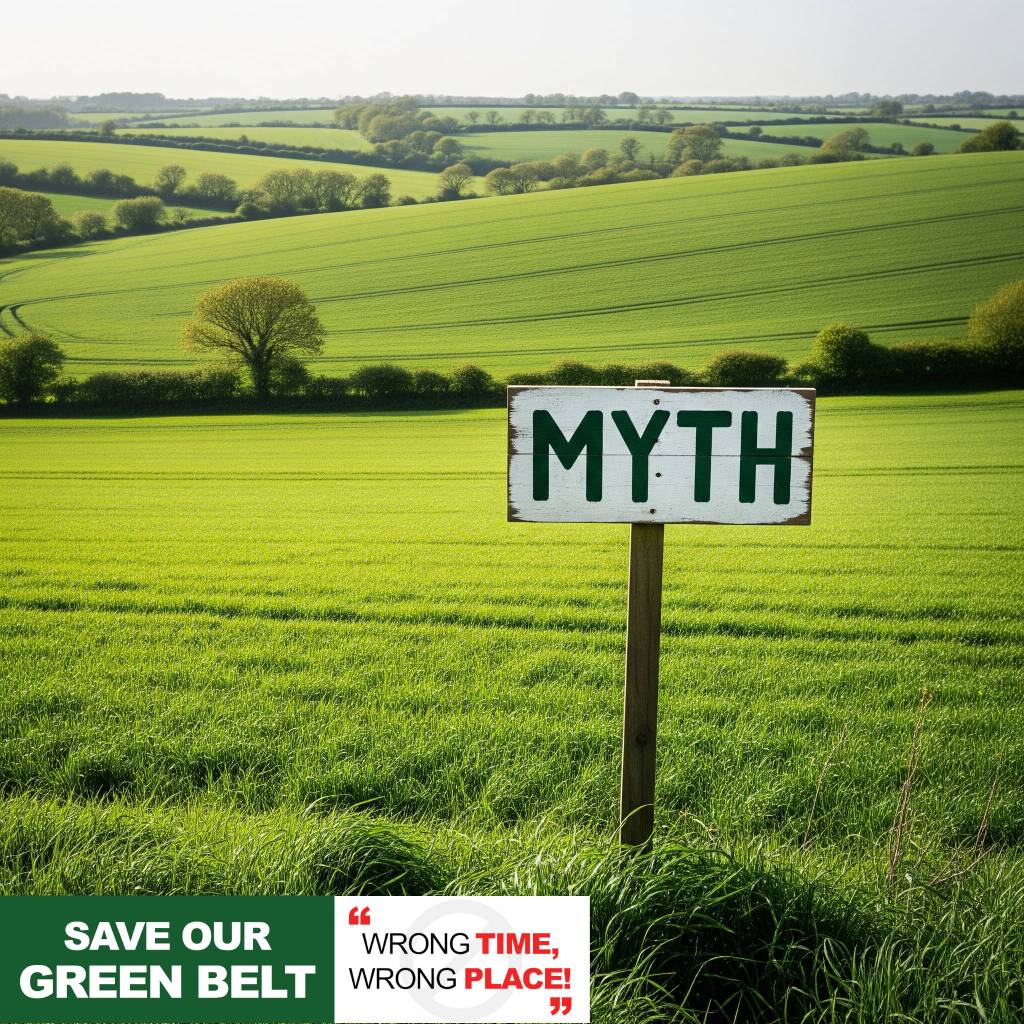
Myth 1: There are not enough houses for everyone. The census shows more than enough property for the population. The crisis is about the price of homes, not the quantity, with existing stock not always well distributed (under-occupied, overcrowded, second homes, empty).
Myth 2: Building more homes will solve the housing crisis. House prices have spiralled due to high demand fuelled by low interest rates, public subsidies (like Help to Buy), and property investment. The selling-off of social housing and lack of rent controls have also pushed up rental prices. Housing has become financialised, treated as an investment rather than an essential good.
Myth 3: Building more houses will drive down house prices. The ‘supply and demand’ argument is often flawed because demand remains high. Despite years of adding to housing stock, prices continue to rise as people will pay what they must for a home in the absence of market intervention.
Myth 4: The planning system is broken. The planning system is largely working, with many planning permissions already granted and awaiting construction. Blaming the planning system is a red herring; real solutions lie in building social housing, ending Right to Buy, bringing empty homes back into use, and controlling the private rented sector.
Myth 5: There isn’t enough land – we need to build on green fields. Local authorities have allocated more sites than can be built on in the next 20 years, and urban land is constantly recycled, providing brownfield sites for at least 1.2 million homes.
Myth 6: Private house builders will build affordable housing. While some ‘affordable’ housing (not necessarily social rent) is often required, the actual numbers built by private developers are usually scaled back. Publicly funded social housing is the realistic way to address the crisis and reduce costly temporary accommodation.
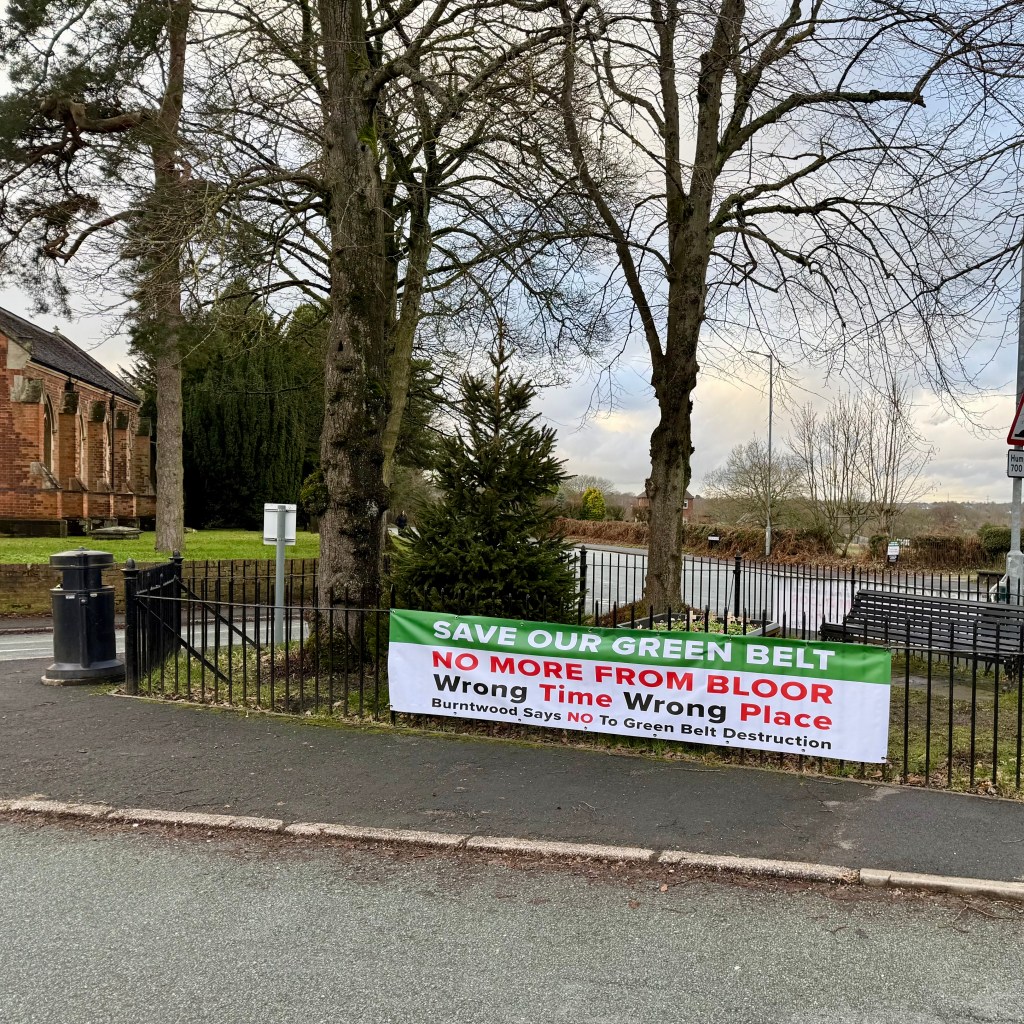
Myth 7: Building on the Green Belt will solve the crisis. Building on the Green Belt won’t lead to more or faster house building, nor will it deliver affordable housing. Such developments are typically expensive, homes in unsustainable locations with high infrastructure costs, leaving no money for affordable options. It also has a MASSIVE environmental impact.
Myth 8: Parts of the Green Belt are grey. Even unattractive Green Belt land can be restored and is a valuable wildlife habitat. This misleading statement encourages speculative purchase, driving up land prices. The “real grey belt” is car parks and road layouts, often in town centers, which could provide space for millions of low-cost homes without land cost.
Myth 9: Those who challenge housebuilding policy are NIMBYs. Groups like CPRE London agree new homes are needed, but the crisis is one of affordability. Challenging the idea that simply increasing housing supply will bring down costs does not make them ‘NIMBYs’.
Myth 10: There’s nothing I can do to help. Learning about the real causes and solutions, talking to others, and encouraging a challenge to the “build, build, build” narrative can slowly effect change.
Written by the CPRE, this is the full version … worth a read:
#CommunitySupport #saveourgreenbelt #saveourgreenspaces #wrongtimewrongplace


 Burntwood Action Group
Leave a comment